
TMJ/TMD Treatment
Jaw pain, clicking, headaches or worn teeth can all be signs of a problem with the jaw joints and muscles. Most cases improve with simple, non-surgical treatment.
What is TMJ/TMD?
The temporomandibular joints (TMJ) connect your lower jaw to your skull, just in front of your ears. Temporomandibular disorders (TMD) are problems with these joints and the muscles that move the jaw.
TMD is often linked to grinding or clenching the teeth, especially at night or during stress, as well as an uneven bite or an injury. It can cause pain in the jaw, face, ears and head, and make opening the mouth difficult.
Common symptoms
- Pain or tenderness in the jaw, face or around the ears
- Clicking, popping or grating when opening the mouth
- Difficulty opening wide or the jaw locking
- Headaches, especially in the morning
- Worn, chipped or flattened teeth from grinding
- A tired or tight feeling in the jaw muscles
Treatment options
1Custom night guard (splint)
A comfortable appliance worn at night to protect teeth from grinding and reduce strain on the jaw.
2Bite assessment and adjustment
Checking for high fillings or uneven contacts that strain the jaw.
3Self-care plan
Jaw exercises, soft diet during flare-ups, warm compresses and stress management.
4Restoring worn teeth
Repairing teeth damaged by grinding once the cause is controlled.
5Referral
Referral to a specialist or physiotherapist for persistent or complex cases.
What to expect, step by step
Listen
We ask about your symptoms, habits and history.
Examine
Jaw movement, joint sounds, muscles and bite are checked.
Treat
Night guard, self-care plan and bite adjustments as needed.
Review
We check progress and adjust the plan.
Benefits
Less pain
Relief from jaw pain and headaches.
Protects teeth
A night guard prevents grinding damage.
Non-surgical
Most cases improve without surgery.
Better sleep
Less clenching and morning pain.
Aftercare & tips
- Wear your night guard as advised and clean it daily
- Eat softer foods during flare-ups and avoid chewing gum
- Avoid opening very wide, for example when yawning
- Use warm compresses on tight jaw muscles
- Notice and relax clenching during the day: lips together, teeth apart
This page is general information. Every mouth is different – your dentist will examine you and explain the options that suit your situation, along with costs, before any treatment.
Frequently asked questions
What causes TMJ problems?
Common causes include grinding or clenching the teeth, stress, an uneven bite, arthritis and injury to the jaw.
Will TMD go away on its own?
Mild symptoms sometimes settle, but ongoing pain, clicking or grinding should be checked to prevent damage to the teeth and joints.
How does a night guard help?
It cushions the teeth, stops them grinding against each other and helps the jaw muscles relax at night.
Is surgery needed?
Rarely. Most people improve with a night guard, self-care and treating the cause.
Related services
Crowns
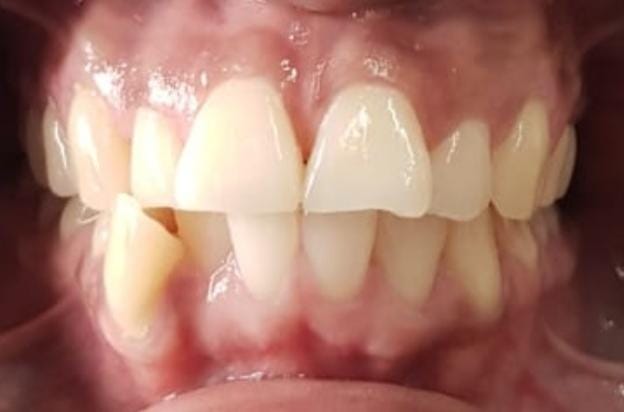
Custom caps that protect and restore cracked, worn or root-treated teeth.
Learn more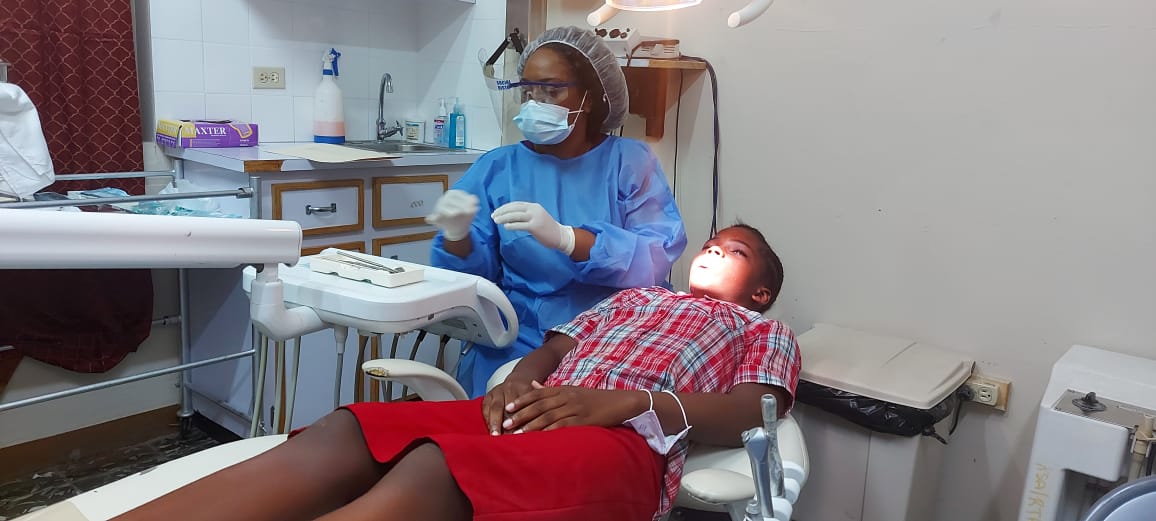
Dental Exams & X-rays
Thorough check-ups and dental X-rays that catch problems early, while they are simple to treat.
Learn more
Cosmetic Dentistry
Improve the colour, shape and alignment of your teeth for a smile you love.
Learn moreQuestions about TMJ/TMD Treatment?
Book a consultation and we will examine your teeth, explain your options clearly and agree a plan and cost with you before any treatment.