
Pediatric Dentistry
Good habits start young. We make dental visits calm and positive for children, so they grow up with healthy teeth and without fear of the dentist.

Why children’s dental care matters
Children’s teeth are smaller, with thinner enamel, so decay can spread quickly. Baby teeth matter: they help children chew, speak clearly and hold space for the adult teeth that follow.
Pediatric care focuses on prevention and on making each visit a good experience. We explain everything in a child-friendly way, take things at your child’s pace and give parents practical advice on brushing, diet and thumb-sucking.
Bring your child in if…
- They have their first tooth or have reached their first birthday
- You see white, brown or black spots on their teeth
- They complain of toothache or avoid chewing on one side
- A tooth has been knocked, chipped or loosened in a fall
- Adult teeth are coming in behind baby teeth
- Thumb-sucking continues past age 4
Children’s treatments
1Check-ups and cleaning
A gentle examination and cleaning, with brushing tips for both child and parent.
2Fluoride treatment
A fluoride varnish painted onto the teeth to strengthen enamel and help prevent decay. It takes a minute and is painless.
3Fillings
Small cavities repaired with tooth-coloured fillings, using gentle numbing where needed.
4Extractions
Removal of badly decayed baby teeth or teeth blocking adult teeth, handled with extra care and reassurance.
5Orthodontic assessment
Early checks of how the teeth and jaws are developing, so braces can be planned at the right time.
What to expect, step by step
Say hello
We introduce the chair, the light and the tools so nothing is a surprise.
Count the teeth
A gentle check of teeth, gums and bite.
Clean and protect
Cleaning and fluoride to strengthen the enamel.
Tips for parents
Practical advice on brushing, snacks and bedtime bottles.
Benefits
Positive experiences
Children who have good early visits are less anxious as adults.
Stronger teeth
Fluoride reduces tooth decay.
Early answers
Spot crowding or bite problems in good time.
Support for parents
Clear, practical advice for every age.
Aftercare & tips
- Brush twice a day: a smear of fluoride toothpaste under 3, a pea-sized amount from 3 to 6
- Help with brushing until about age 7 or 8
- Avoid sending children to bed with juice or milk bottles
- Keep sugary snacks and drinks to mealtimes
- After fluoride, avoid eating or drinking for 30 minutes
This page is general information. Every mouth is different – your dentist will examine you and explain the options that suit your situation, along with costs, before any treatment.
Frequently asked questions
When should my child first see a dentist?
By their first birthday or when the first tooth appears, whichever comes first. Early visits help catch problems and get children used to the dentist.
Are baby teeth really important?
Yes. They help children eat, speak and smile, and they hold space for the adult teeth. Decayed baby teeth can cause pain, infection and crooked adult teeth.
Is fluoride treatment safe?
Yes. Professional fluoride varnish uses a small, controlled amount and is one of the most effective ways to prevent tooth decay in children.
My child is nervous. What can I do?
Talk about the visit positively and avoid words like “hurt” or “needle”. Let us know your child is anxious; we will take extra time and go at their pace.
Related services
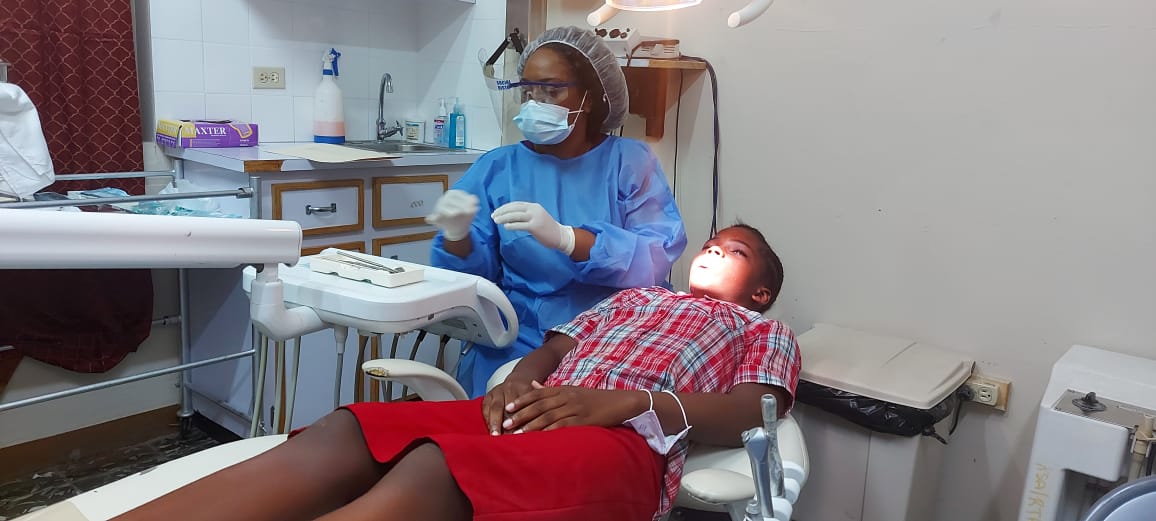
Dental Exams & X-rays
Thorough check-ups and dental X-rays that catch problems early, while they are simple to treat.
Learn more
Fillings
Repair decayed or damaged teeth with durable amalgam or natural-looking composite fillings.
Learn more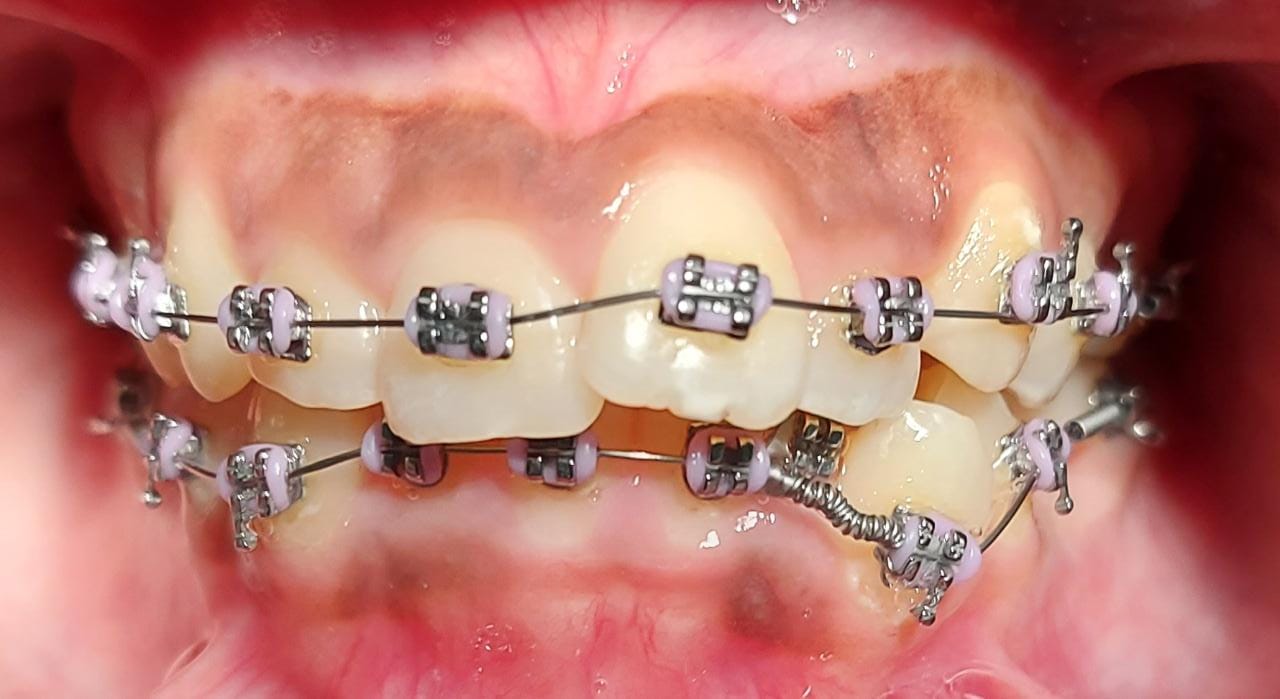
Orthodontic Treatment (Braces)
Braces for children, teens and adults to straighten teeth and correct the bite.
Learn moreQuestions about Pediatric Dentistry?
Book a consultation and we will examine your teeth, explain your options clearly and agree a plan and cost with you before any treatment.