
Gum Disease Treatment
Gum disease is the leading cause of tooth loss in adults, but it can be treated and controlled. The earlier it is caught, the simpler the treatment.
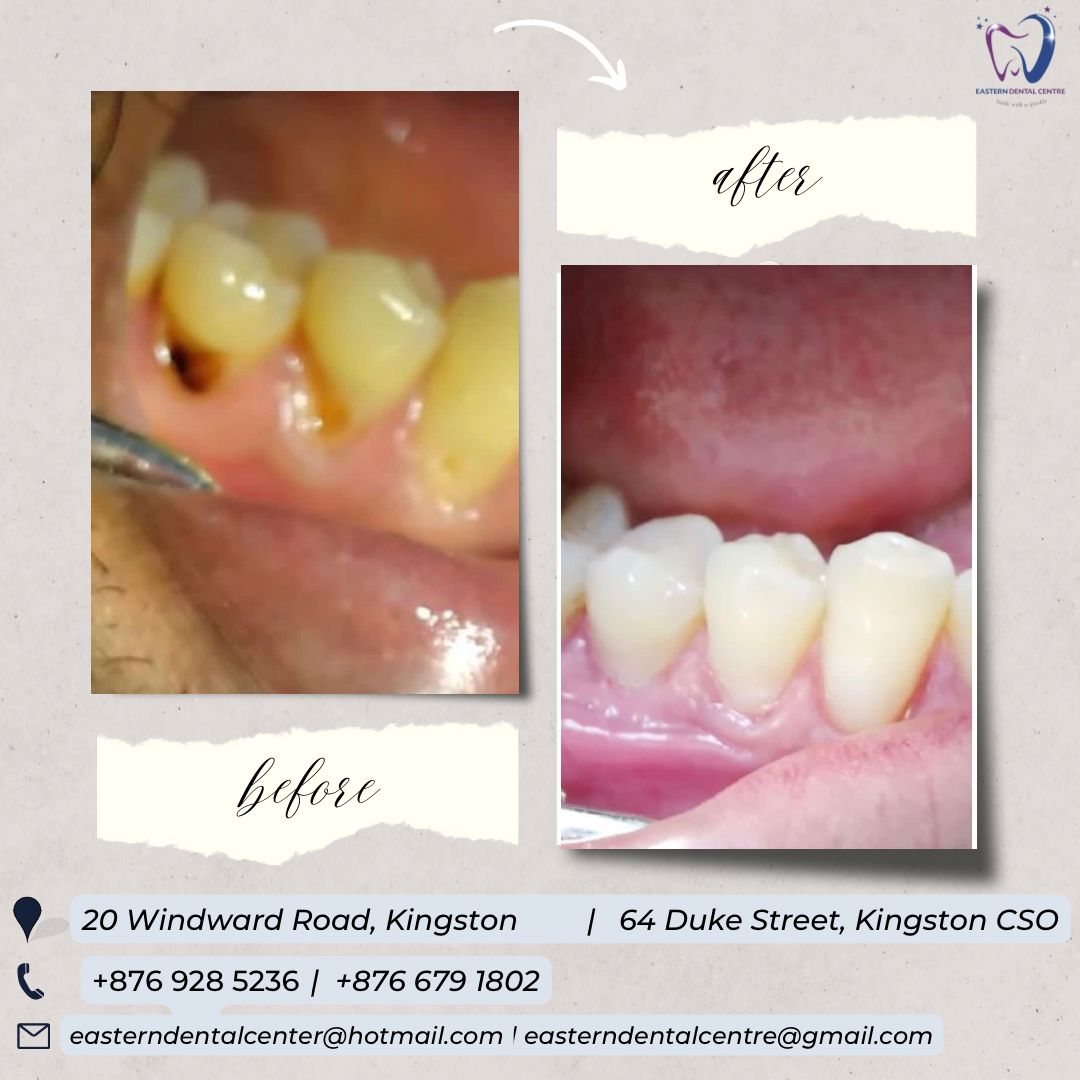
What is gum disease?
Gum disease is caused by plaque bacteria along the gum line. In the early stage, gingivitis, the gums become red, swollen and bleed easily. At this stage the damage is fully reversible with good cleaning.
Without treatment, gingivitis can progress to periodontitis. The gums pull away from the teeth to form pockets, and the bone that holds the teeth in place is slowly lost. Teeth can become loose and eventually fall out. Gum disease has also been linked to diabetes and heart disease.
Warning signs of gum disease
- Gums that bleed when you brush or floss
- Red, swollen or tender gums
- Persistent bad breath or a bad taste
- Gums pulling back, making teeth look longer
- Loose teeth or changes in your bite
- Pus between the teeth and gums
Gum treatments
1Professional cleaning
Removes plaque and tartar to reverse gingivitis.
2Deep scaling and root planing
Cleans below the gum line and smooths root surfaces so gums can reattach.
3Gum health maintenance
More frequent cleanings to keep periodontitis under control.
4Home-care coaching
Personal advice on brushing and cleaning between teeth.
Stages of gum disease
| Stage | What happens | Treatment |
|---|---|---|
| Gingivitis | Gums red, swollen and bleeding | Professional cleaning and better home care – reversible |
| Early periodontitis | Pockets form; bone loss begins | Deep cleaning below the gum line |
| Advanced periodontitis | Significant bone loss; teeth may loosen | Deep cleaning, ongoing maintenance, sometimes specialist care |
What to expect, step by step
Measure
We measure the gum pockets around each tooth and take X-rays.
Deep clean
Tartar and bacteria are removed from below the gum line, with numbing for comfort.
Review
We re-check the gums after a few weeks to see how they have healed.
Maintain
Regular maintenance visits keep the disease under control.
Benefits
Keep your teeth
Stops the bone loss that leads to loose teeth.
Healthier gums
Less bleeding, swelling and tenderness.
Fresher breath
Removes the bacteria that cause odour.
Better general health
Supports management of diabetes and heart health.
Aftercare & tips
- Brush twice a day along the gum line with a soft brush
- Clean between teeth daily with floss or interdental brushes
- Stop smoking – it is a major cause of gum disease
- Attend maintenance cleanings as recommended
This page is general information. Every mouth is different – your dentist will examine you and explain the options that suit your situation, along with costs, before any treatment.
Frequently asked questions
Can gum disease be cured?
Gingivitis can be completely reversed. Periodontitis cannot be undone, but it can be controlled so it does not get worse.
Is deep cleaning painful?
We numb the area, so it is comfortable. Gums may feel a little tender for a day or two afterwards.
Why do my gums bleed?
Bleeding is usually the first sign of gingivitis caused by plaque. It is a signal to clean more thoroughly and have a check-up, not to stop brushing.
Does gum disease affect my general health?
Research links gum disease with diabetes, heart disease and pregnancy complications. Keeping your gums healthy is good for your whole body.
Related services

Teeth Cleaning
Professional scaling and polishing that removes plaque and tartar to prevent decay and gum disease.
Learn more
Dental Exams & X-rays
Thorough check-ups and dental X-rays that catch problems early, while they are simple to treat.
Learn more
Oral Cancer Screening
A quick, painless check of the mouth, tongue and throat to spot early warning signs.
Learn moreQuestions about Gum Disease Treatment?
Book a consultation and we will examine your teeth, explain your options clearly and agree a plan and cost with you before any treatment.