
Crowns
A crown is a custom-made cap that covers a damaged tooth, restoring its shape, strength and appearance. It protects teeth that are too damaged for a filling but can still be saved.
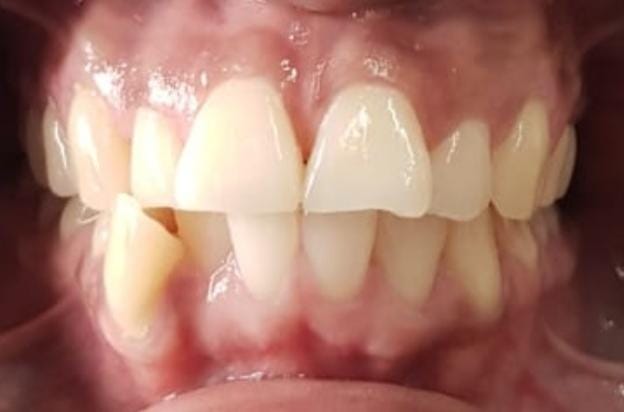
What is a dental crown?
A crown fits over the whole visible part of the tooth, holding it together and protecting it from breaking. It is made to match the shape and colour of your natural teeth, so it looks and feels like a real tooth.
Crowns are often recommended after a root canal treatment, when a large filling has weakened a tooth, or when a tooth is cracked or badly worn. They can also improve the look of a misshapen or discoloured tooth.
A crown may be right for you if you have…
- A cracked or broken tooth
- A cavity too large for a filling
- A tooth that has had a root canal treatment
- Teeth worn down by grinding
- A discoloured or misshapen tooth you want to improve
- A missing tooth to be replaced with a bridge or implant
Crown treatments we provide
1Porcelain fused to metal
Combines the strength of metal with the natural appearance of porcelain.
2All ceramic
Metal-free and highly natural looking, ideal for front teeth.
3Dental post
A post placed in the root of a root-treated tooth to support a crown.
4Post and crown
A post and crown together to restore a severely damaged tooth.
5Gold crowns
Full gold, open-face gold and gold tip options for exceptional durability.
Types of crown
| Type | Look | Strength | Often used for |
|---|---|---|---|
| Porcelain fused to metal | Natural tooth colour | Very strong | Front or back teeth |
| All ceramic | Most natural, translucent | Strong | Front teeth where looks matter most |
| Full gold crown | Gold | Exceptionally strong, gentle on opposing teeth | Back teeth under heavy chewing |
| Open-face gold crown | Gold with a tooth-coloured face | Very strong | Teeth where some gold may show |
| Gold tip | Gold on the biting tip | Strong where wear is greatest | Protecting heavily worn edges |
What to expect, step by step
Assess
We examine the tooth and take X-rays to make sure it can support a crown.
Prepare
The tooth is numbed and shaped, and an impression is taken.
Temporary crown
A temporary crown protects the tooth while yours is made.
Fit
Your custom crown is checked for fit, bite and colour, then cemented in place.
Benefits
Saves the tooth
Avoids extraction of a badly damaged tooth.
Restores strength
Bite and chew with confidence again.
Natural appearance
Colour-matched to your smile.
Long-lasting
Crowns can last many years with good care.
Aftercare & tips
- Avoid sticky or very hard foods while you have a temporary crown
- Brush and floss around the crown daily, especially at the gum line
- Do not bite on ice, pens or bottle caps
- If you grind your teeth, ask about a night guard
This page is general information. Every mouth is different – your dentist will examine you and explain the options that suit your situation, along with costs, before any treatment.
Frequently asked questions
How long does a crown last?
With good care many crowns last 10 to 15 years or longer. Regular check-ups help us spot any wear early.
Does getting a crown hurt?
The tooth is numbed while it is prepared, so the procedure is comfortable. Some mild sensitivity for a few days is normal.
Which crown material is best?
It depends on the tooth and your priorities. All-ceramic looks the most natural; porcelain fused to metal is strong and attractive; gold is exceptionally durable for back teeth.
Why do I need a crown after a root canal?
A root-treated tooth is more brittle and can crack. A crown holds it together and protects it for the long term.
Related services

Root Canal Therapy
Relieve tooth pain and save an infected tooth by cleaning and sealing its root canals.
Learn more
Bridges
Fixed replacement teeth that fill the gap left by one or more missing teeth.
Learn more
Fillings
Repair decayed or damaged teeth with durable amalgam or natural-looking composite fillings.
Learn moreQuestions about Crowns?
Book a consultation and we will examine your teeth, explain your options clearly and agree a plan and cost with you before any treatment.